The Shady Lane
Justin Evertson | Nebraska Forest Service & PlantNebraska
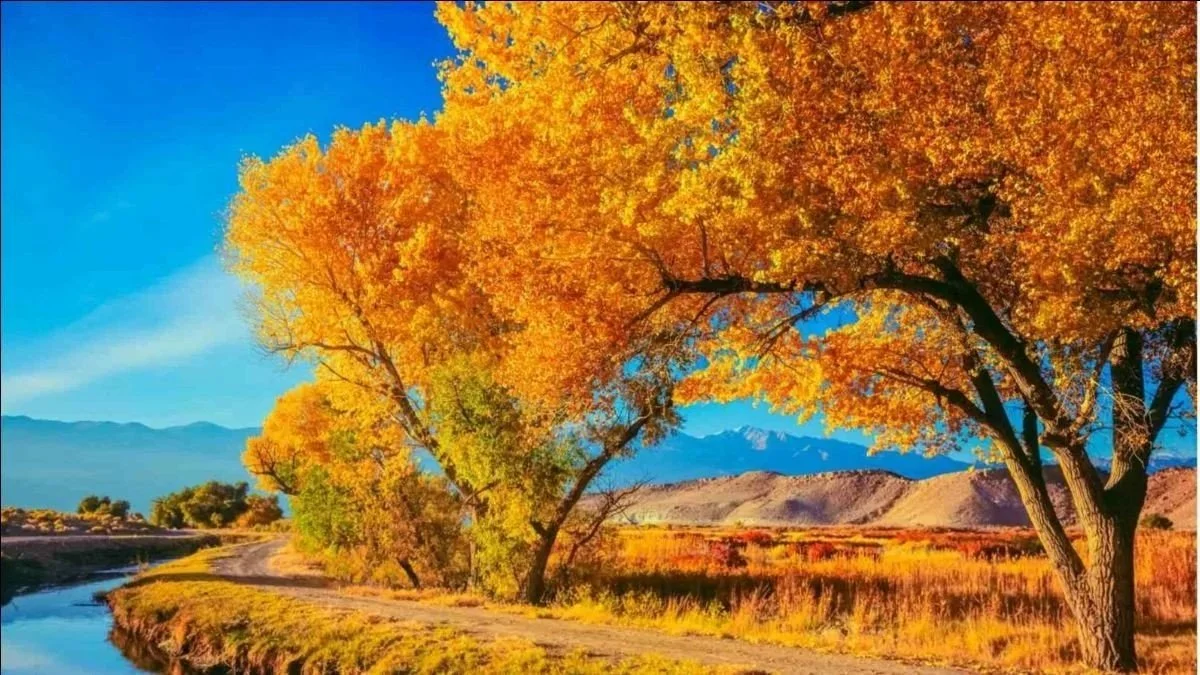
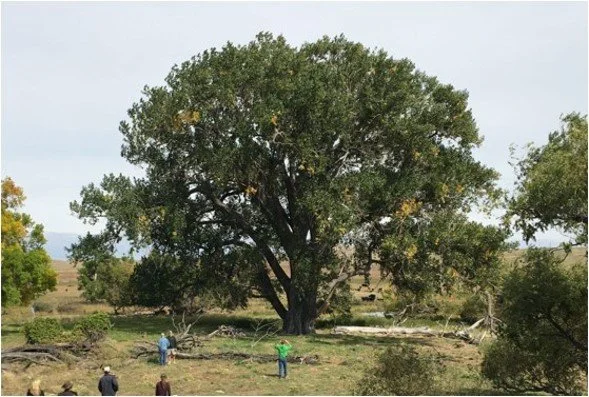
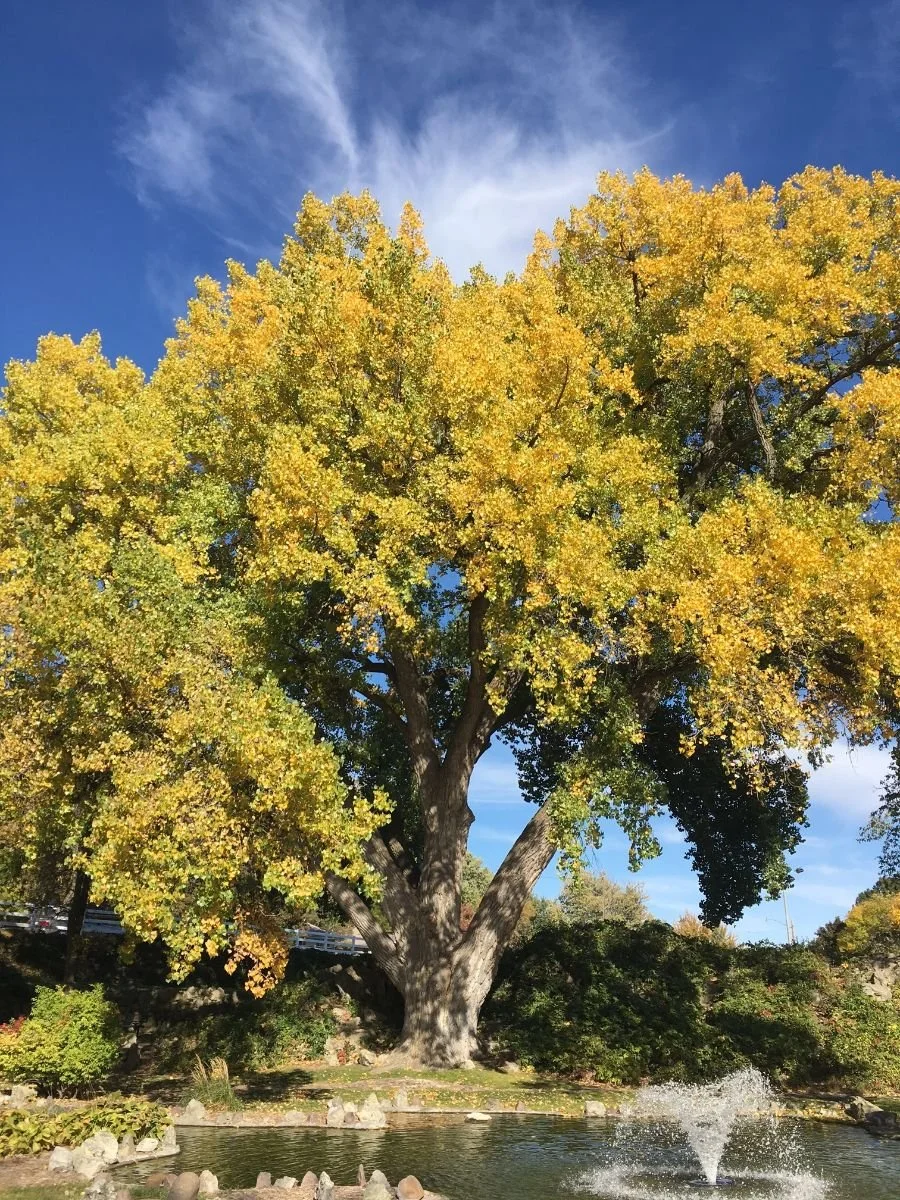
Happy Friday from warm and sunny Denver where I'm attending the 12th Annual Tree Diversity Conference which is devoted to finding and promoting a greater variety of trees for the western Great Plains. Ironically, one of the most important and iconic trees of the region is one that doesn't get promoted much for community planting anymore: the eastern cottonwood (Populus deltoides). I traveled by many thousands of these trees as I drove from Lincoln to Denver, so let's shine the WOW spotlight on this iconic species.
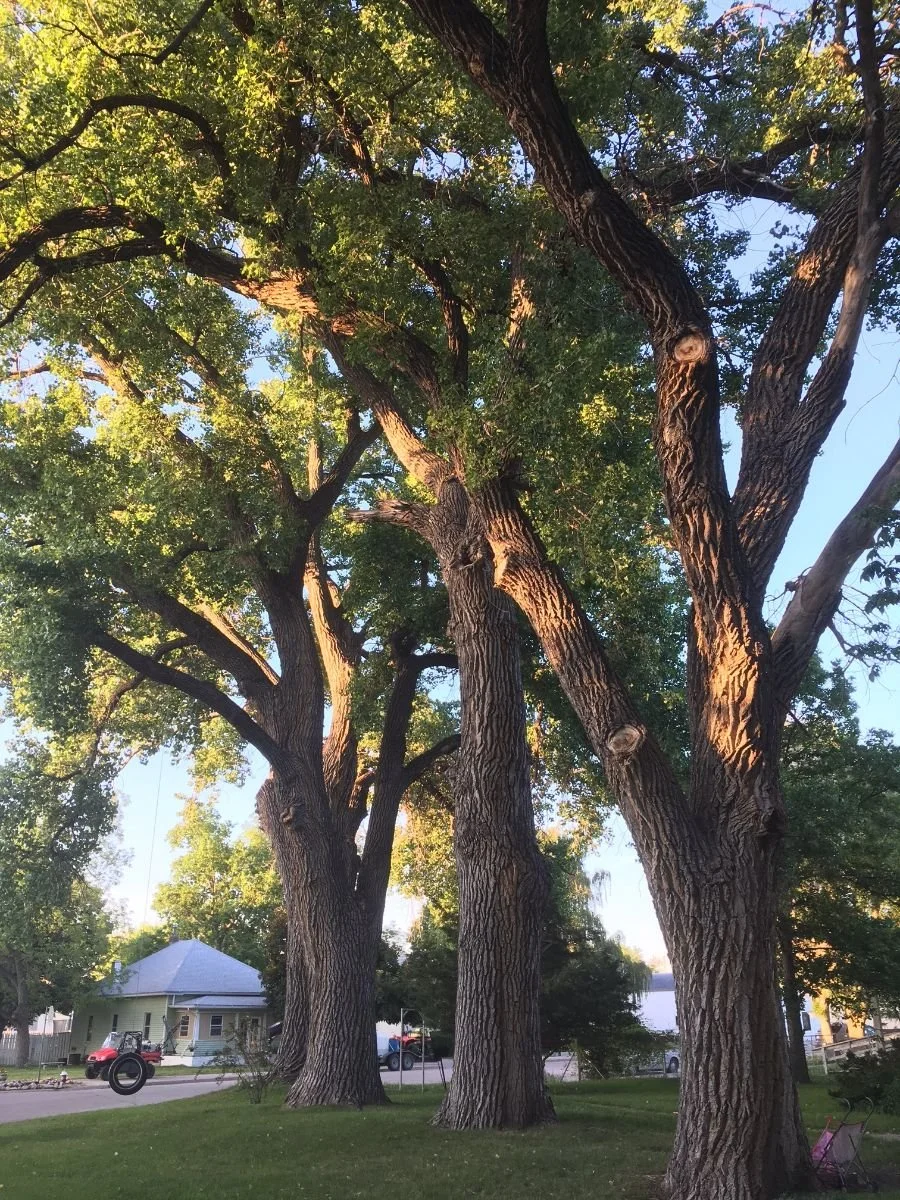
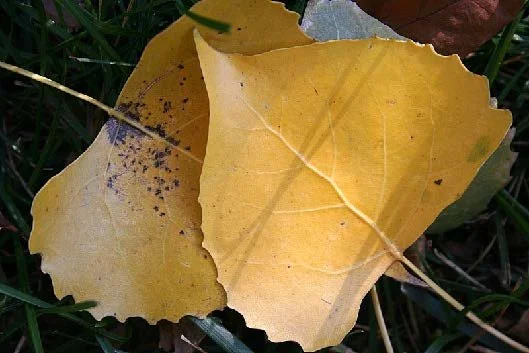
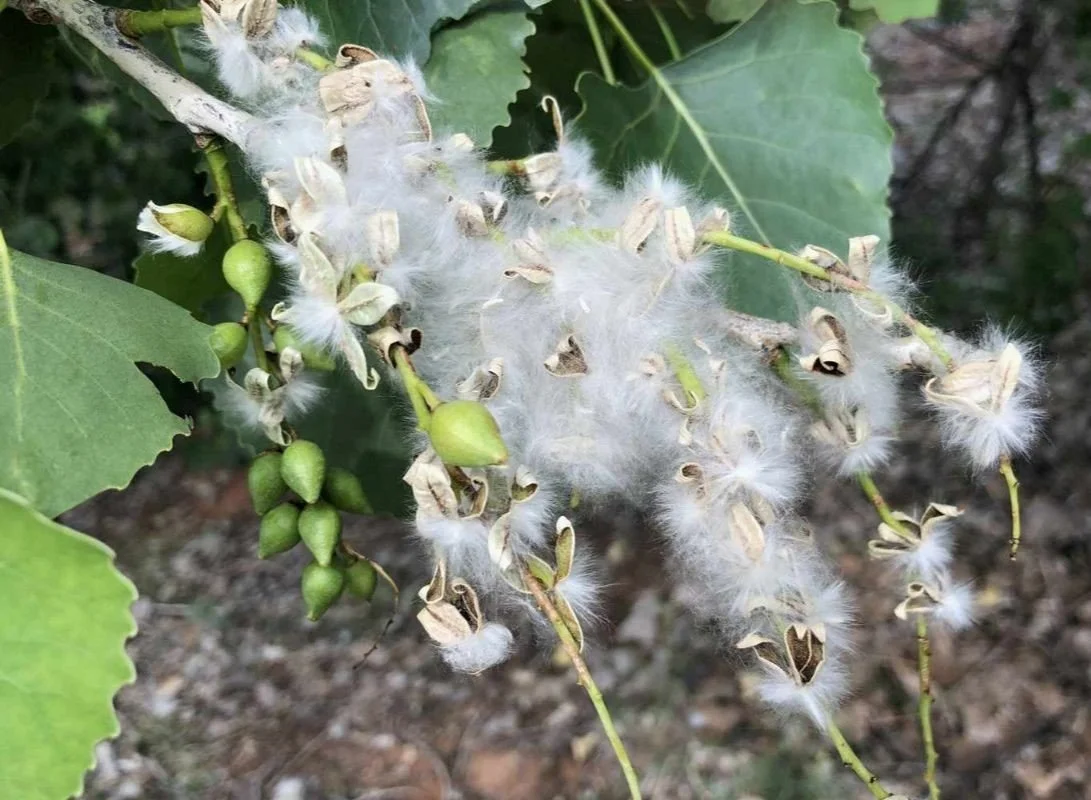
Nebraska and the surrounding Great Plains is cottonwood country. The tree is very resilient and fast growing and becomes one of the tallest and biggest trees in the region. Cottonwood is a riparian species typically found along streams or in lower wet areas, best known for it's deltoid shaped leaves that rustle in the breeze and it's cottony seeds often referred to as summer snow. Although it's one of our most common native trees, cottonwood is not always highly regarded. The tree is not tolerant of severe drought, is prone to storm breakage when open-grown, and is not as long-lived as some species. And many people just don't like those cottony seeds that can ruin a hairdo and clog up window screens in early summer. Consequently, cottonwood is generally not planted much around homes, in parks or along streets anymore.
Despite it's negative attributes, cottonwood is an iconic tree and very much worth keeping around in our parks, acreages, farmsteads and natural areas as its vitally important for wildlife ecology. Hundreds if not thousands of insects, birds and other animals are at home on, in or under a cottonwood. Cottonwoods are also important for stormwater capture and summer shade. Who hasn't benefited from the shade of a state park cottonwood when looking for a place to fish or camp? And the cottonwood is our state tree with a strong connection to Native Americans and early settlers, who were grateful for its reliable growth and shade. Here are two tributes to cottonwoods in Nebraska that are very much worth reading.
Eastern cottonwood: Real-life giants of the farm - by Curt Arens.
Trees represent the promise of doing for others - by Ronda Graff.
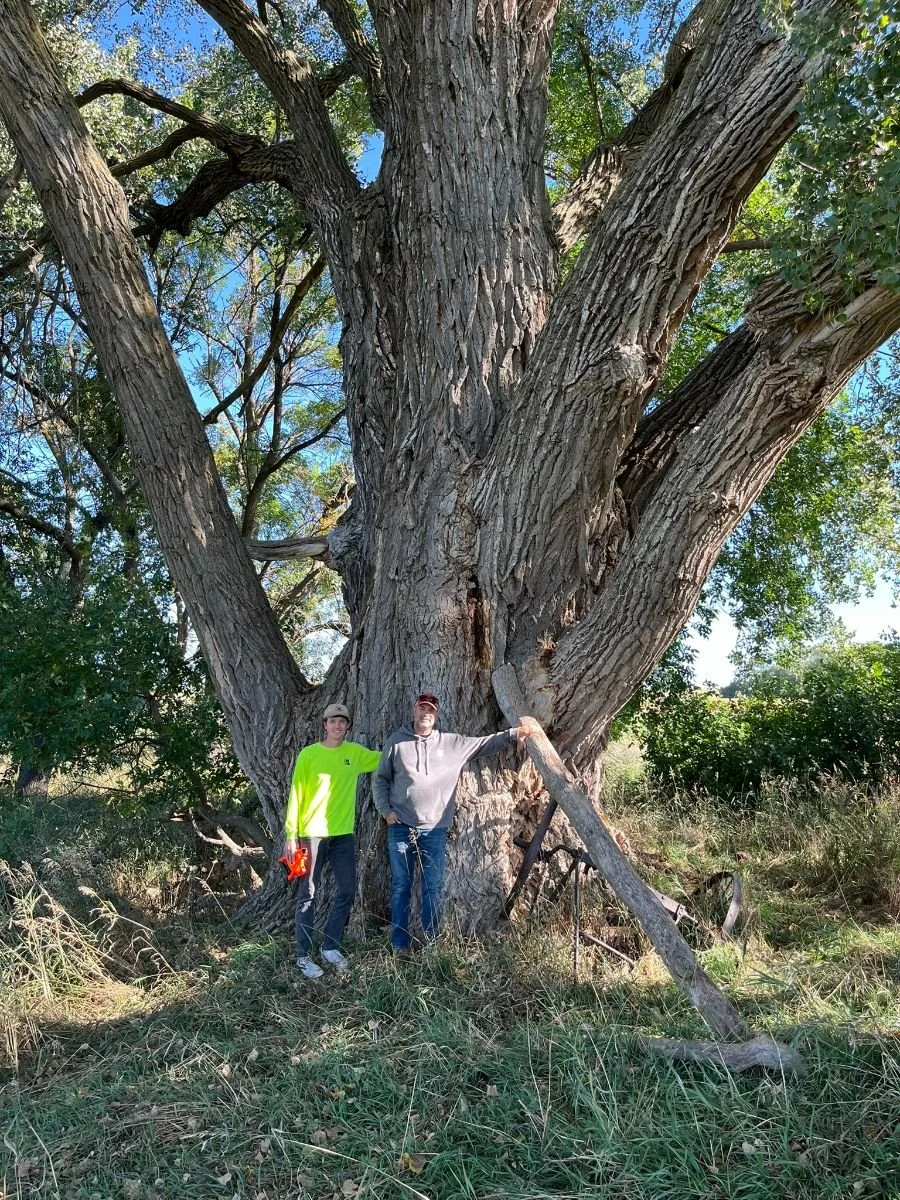
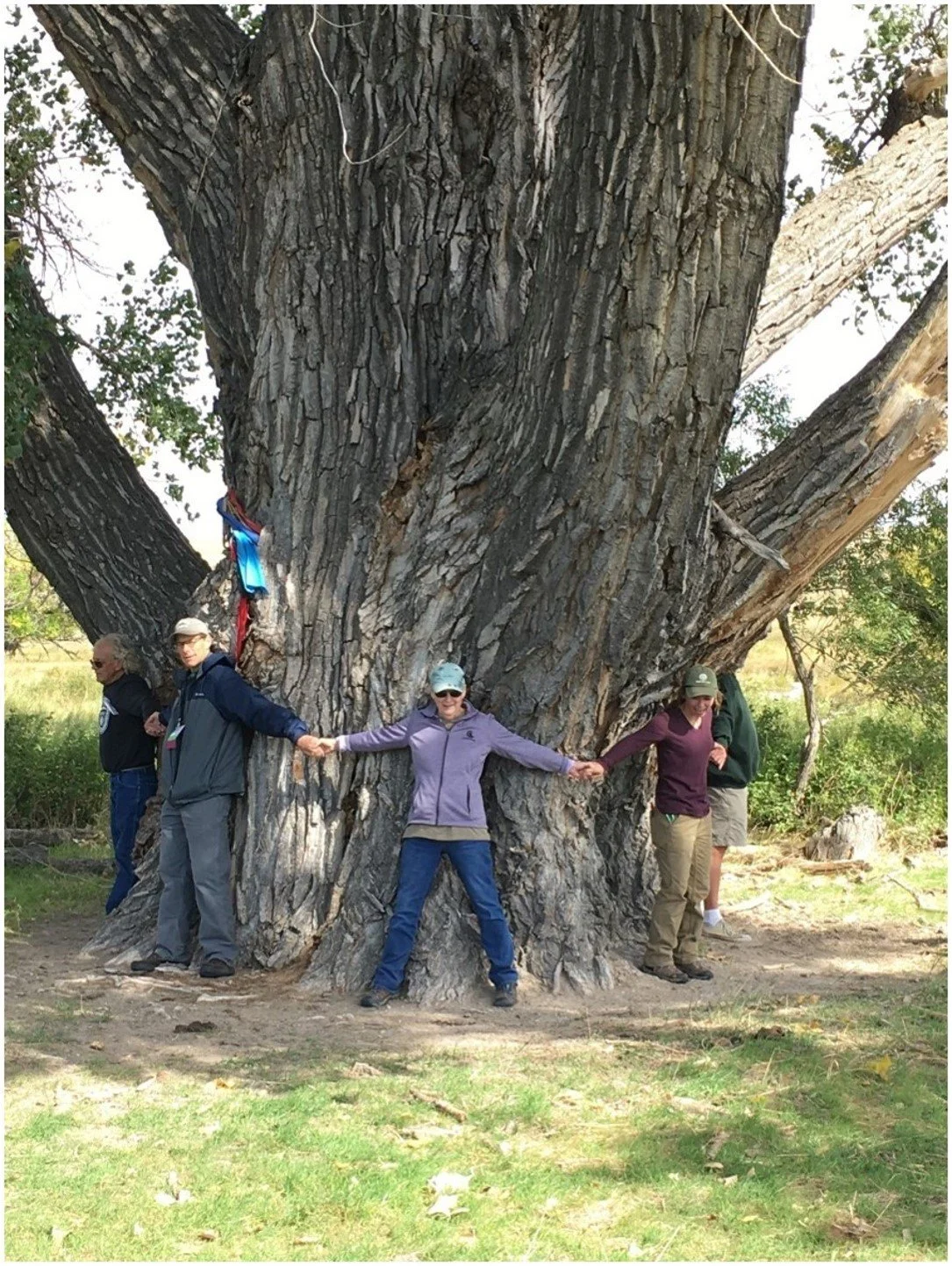
Majestic cottonwoods can be found growing throughout Nebraska and the NFS database of big trees includes at least ten trees with trunks at least 25’ in circumference, including the state and national champion growing on the east side of Pibel Lake near Ericson in Wheeler County with a trunk circumference of 37.2'. Wow indeed! The tree is also 85' tall and has a canopy spread of 120'. The trunk is so massive, it would take at least 7 adults linked together to give that tree a complete hug. Other notable cottonwoods include a Native American "witness tree" north of Lewellen with a trunk circumference over 30'; a tree near Cortland with a trunk of 28'; and an impressive tree at Homestead Monument near Beatrice with a trunk of 27'. You can peruse the Nebraska champion tree registry here and the national champion tree registry here.
Let's keep planting cottonwoods - where they make sense.